Oak, Hickory, Walnut or Maple? Choosing a Hardwood Species for an Oklahoma City Home
· 6 min read · By Floors To You OKC
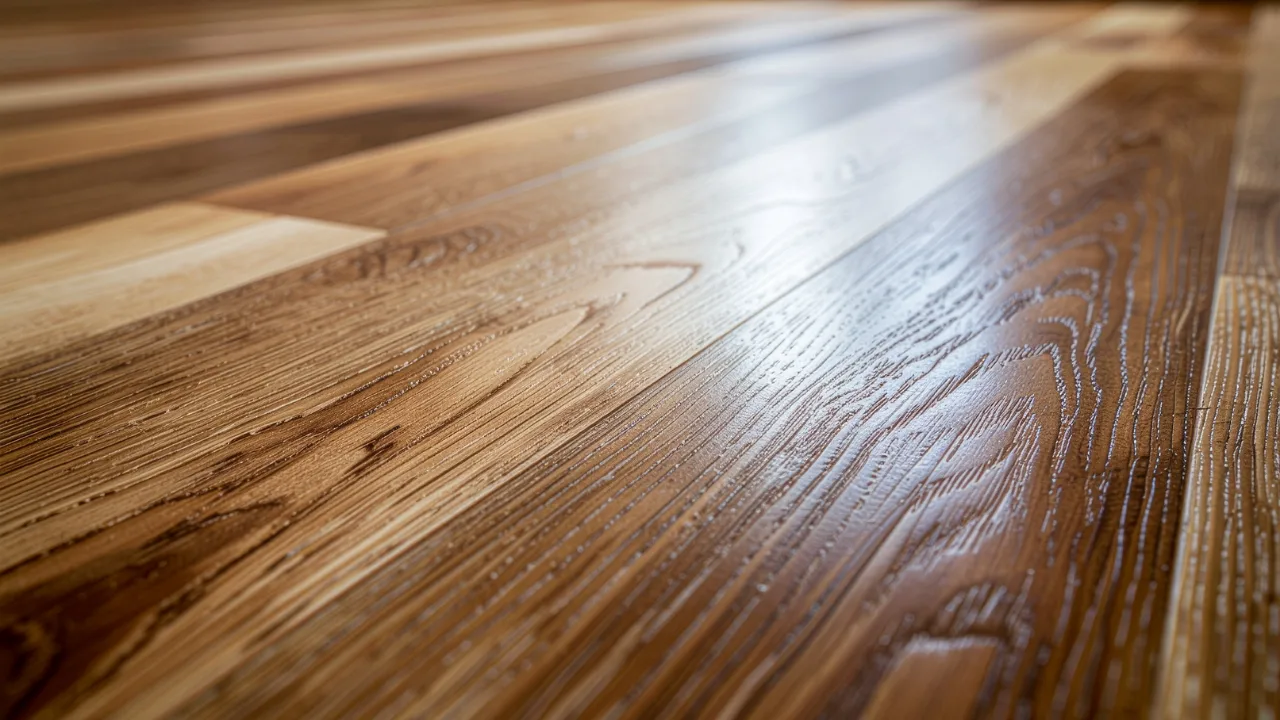
Once you decide on real wood, the next question is which wood. Oak, hickory, walnut and maple are the four species most people choose between, and they are not interchangeable. Each one has its own grain, color, hardness and personality, and each one suits a different kind of household. Here is how they compare in Oklahoma City homes, and what to weigh besides the species itself.
Oak: the safe, flexible choice
Oak is the most common hardwood for a reason. It has a strong, visible grain that hides everyday wear, it takes stain evenly, and it suits almost any style from traditional to modern farmhouse.
Red oak has a warmer, slightly pink undertone. White oak is cooler and more neutral, which is why it shows up in so many light, natural and gray-leaning floors. If you want a floor that works with whatever furniture you own in ten years, oak is hard to beat.
Hickory: the toughest of the four
Hickory is the hardest of these species, and it shows the most character. Boards vary a lot in color from one to the next, from creamy to deep brown, with bold grain and knots. That variation hides scratches, dents and paw marks well.
If your household is hard on floors, with big dogs, kids or a lot of traffic through the kitchen, hickory takes more abuse than the others. The tradeoff is the busy look. Some people love the rustic variation; others find it too much in a large open room.
Walnut: rich color, softer surface
Walnut has a deep chocolate color and a smooth, flowing grain. It looks rich without any stain at all, and it gives a room a warm, upscale feel.
Walnut is softer than oak and hickory, so it dents and scratches more easily. It suits a formal dining room, a bedroom or a lower-traffic living area better than a mudroom entry. A matte finish helps hide everyday marks.
Maple: clean, smooth and modern
Maple has a fine, even grain and a light, creamy color. It looks clean and contemporary, and it is a hard, dense wood that holds up well.
Maple's smooth grain shows scratches more than a busy species does, and it does not take dark stain as evenly as oak, so it often looks blotchy if you try to make it very dark. It is at its best in a natural or light finish.
Grade and plank width change the look too
Two floors in the same species can look very different. Within any species, boards are sorted by appearance. A cleaner grade has fewer knots and more even color. A more rustic or character grade keeps the knots, mineral streaks and color swings, and it hides wear better. If you like the idea of oak but want a calmer floor, a clean grade of white oak looks nothing like a rustic hickory, even though both are real hardwood.
Plank width matters as well. Wide planks show off the grain of a species and make a room feel more open, and they are especially popular in walnut and white oak. Narrower boards read more traditional. In engineered wood, wide planks are more stable than the same width in solid wood, which is one more reason engineered suits wide-plank floors in Oklahoma's humidity swings.
Finish matters more than species
People spend a lot of time on species and not enough on the finish, but the finish decides how a floor looks after a year of real life. A matte or wire-brushed finish hides scratches and paw marks far better than a high-gloss one, whatever the species.
Color matters too. Very dark floors show dust, pet hair and scratches more than mid-tones. Our guide to choosing a floor color covers how light, dark and mid-tone floors live day to day.
Solid or engineered: same species, different build
Any of these species can come as solid hardwood or as engineered wood, which has a real hardwood top layer over a stable plywood core. The species you see is the same either way.
That matters in Oklahoma, where humid summers turn into dry winters and a lot of homes sit on a concrete slab. Solid hardwood cannot be nailed to a slab and is more prone to gapping and cupping through those swings. For slab-built homes, engineered wood is usually the better fit. If your home has a plywood subfloor and you want a floor you can refinish for decades, solid hardwood is on the table. Our engineered wood guide explains the construction.
Quick picks by household
A short version of the above:
- ✓Big dogs, kids and heavy traffic: hickory, in a matte or wire-brushed finish
- ✓A floor that goes with any style: white or red oak
- ✓Formal rooms and a rich, dark look without stain: walnut
- ✓Light, clean and contemporary: maple in a natural finish
- ✓Slab foundation: any species, as engineered wood
Caring for any species in Oklahoma
Whatever you choose, the care routine is the same. Sweep or vacuum on a hard-floor setting, damp-mop with a wood-safe cleaner (never a steam mop), keep indoor humidity between 35 and 55 percent year-round, and put felt pads under every piece of furniture that moves. Our hardwood cleaning and care guide goes into more detail.
See the species side by side
Species is much easier to choose with real boards in your own light. Book a free in-home estimate and we bring the showroom to you, with oak, hickory, walnut and maple samples you can lay next to your cabinets and furniture. We check your subfloor, tell you honestly whether solid or engineered fits your home, and give you an itemized quote. We price-match the same or similar material, 0% APR financing for 24 months is available, and every job carries our 100% product and labor guarantee.