Hardwood vs. Luxury Vinyl for Oklahoma City Homes
· 8 min read · By Floors To You OKC
When homeowners want an upscale wood look, two options rise to the top: real wood flooring (usually engineered wood in Oklahoma) and luxury vinyl plank (LVP). Both can look genuinely beautiful, but they behave very differently in an OKC home — especially one built on a concrete slab. This comparison walks through appearance, water, durability, value, and resale so you can choose with your eyes open.
First, what we mean by "hardwood" in Oklahoma
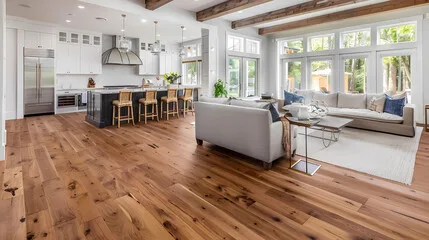
For most OKC homes, real-wood flooring means engineered wood rather than solid hardwood. Engineered wood has a genuine wood top layer over a stable plywood core, and that core handles Oklahoma’s humidity swings far better than solid planks — which can gap in our dry winters and cup in humid summers. Solid hardwood is still an option in the right home, but engineered is the safer real-wood pick for slab-built and basement spaces across the metro.
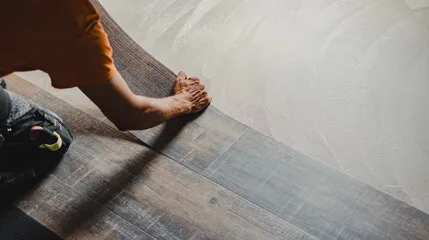
Luxury vinyl plank, by contrast, is a rigid-core plank — SPC (stone-plastic composite) or WPC (wood-plastic composite) — topped with a printed wood-look image and a tough wear layer. It contains no wood in the core at all, which is the root of most of the differences below.
Looks and feel
Real wood is still the benchmark for authentic character. Because it is actual timber, every board carries its own grain, and it develops a warmth and patina over the years that printed floors imitate but do not perfectly match. Underfoot it feels solid and, well, like wood.
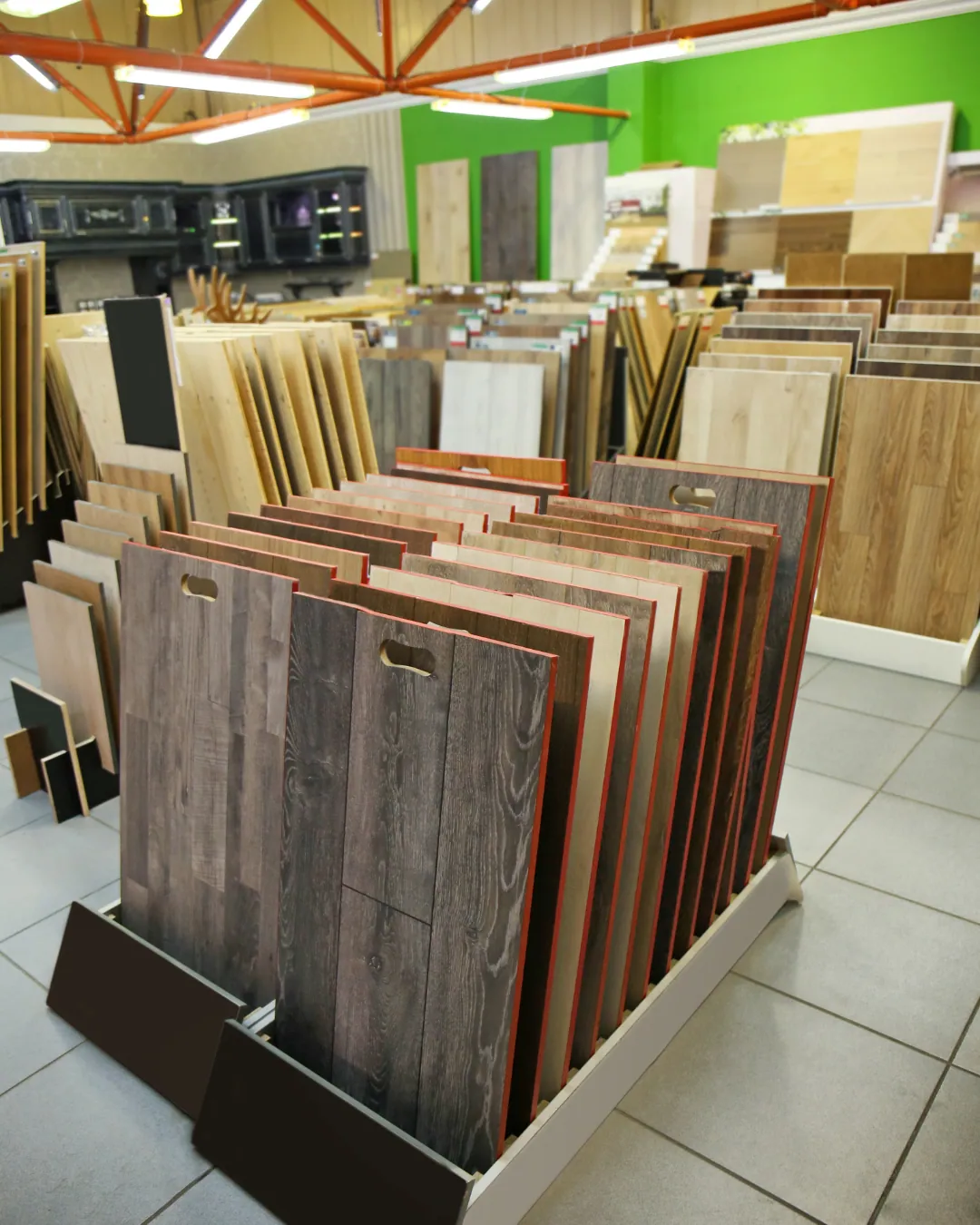
Modern LVP has closed the gap dramatically — the best planks use deep embossing registered to the printed grain, so the texture you feel lines up with the wood you see. It feels slightly softer and warmer underfoot than wood or tile, and rigid-core planks can be very quiet with the right underlayment. In a showroom lineup, most people cannot tell premium LVP from real wood at a glance.
Water and where each one belongs
This is usually the deciding factor in Oklahoma. LVP is 100% waterproof — its core does not absorb water — so it is at home in kitchens, bathrooms, laundry rooms, basements, and slab spaces where moisture can rise up through concrete. When storm season brings the occasional leak or backup, waterproof LVP survives water events that would ruin a wood floor.
Engineered wood tolerates humidity far better than solid hardwood and is perfectly happy on main floors, in dining rooms, and in bedrooms, but it is still real wood and is not the choice for full baths or standing-water risk. Many OKC homeowners split the difference: engineered wood in the formal and living areas where the real-wood look matters most, and waterproof LVP through the wet rooms and high-traffic zones.
- ✓Kitchens, baths, laundry, basements, slabs → LVP
- ✓Living, dining, bedrooms, hallways → either works
- ✓Full bathrooms and standing-water areas → not real wood
Durability and daily life
LVP is the more forgiving surface day to day. Thick wear layers stand up to pet claws, dropped dishes, and dragged furniture, and because it is waterproof, spills and accidents are a non-event. For busy households with kids and pets, that resilience is a big part of the appeal.
Engineered wood is durable too, and it holds a trump card vinyl cannot match: it can be refinished. Depending on the thickness of its wear layer, a quality engineered floor can be light-sanded and refinished a couple of times over its life, erasing years of scratches and even letting you change the stain. Vinyl, once its wear layer is worn, is replaced rather than restored.
Value, resale, and the bottom line
On price, LVP generally costs less than engineered wood for a comparable look and installs fast as a floating floor, which keeps labor down. Engineered wood usually costs more in both material and installation, but it delivers the genuine-wood feel and the refinishing option, and real wood still carries a resale appeal that many buyers specifically look for.
The simplest way to decide: if you want maximum durability, whole-home waterproofing, and the best value, choose LVP. If you want authentic wood character, the ability to refinish, and the resale draw of real hardwood — and you are flooring dry living spaces — choose engineered wood. See both compared on your own floors during a free in-home estimate, and if you are still weighing options, our guide to the best flooring for Oklahoma’s climate maps each floor to the room it fits.