The Best Flooring for Oklahoma's Climate: Humidity, Heat & Storm Season
· 7 min read · By Floors To You OKC
Oklahoma asks a lot of a floor. Summers are hot and humid, winters are dry, many homes are built on a concrete slab, and storm season can bring water where you do not want it. Choosing flooring that is built for those conditions saves you from gapping, cupping, and water damage down the road.
Why humidity swings matter
Wood naturally expands when the air is humid and contracts when it is dry. In Oklahoma, that back-and-forth happens every year, which can cause solid hardwood to gap in winter and cup in summer if it is not acclimated and installed correctly.
That is why we steer many OKC homeowners toward engineered wood instead of solid hardwood. A real-wood top layer over a stable plywood core handles humidity swings far better, especially in slab-built homes.
Slab homes and basements
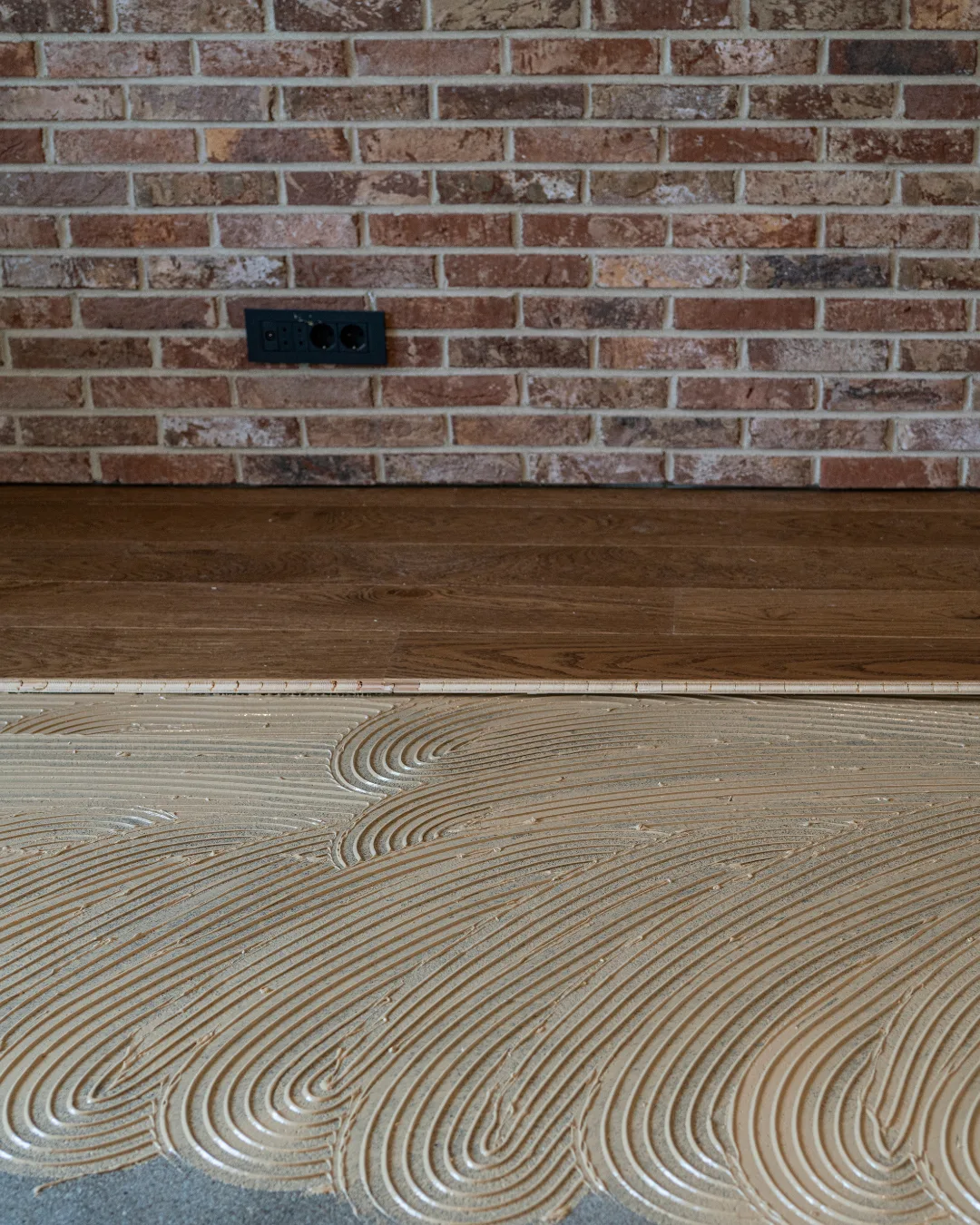
A lot of metro homes sit on a concrete slab, and concrete can pass moisture up into the floor above it. Floors that float over the slab — engineered wood, rigid-core LVP, and laminate with the right underlayment — handle this better than nail-down solid wood.
For below-grade spaces and slabs where moisture is a concern, waterproof LVP and tile are the most reliable choices because they are unaffected by the moisture the slab gives off.
Storm season and water
Oklahoma storm seasons mean the occasional leak, backup, or flood. Waterproof flooring limits the damage when water shows up: the planks themselves are not ruined, even if the room needs drying out.
In communities that have rebuilt after storms, we frequently install waterproof LVP and tile precisely because they recover from water events that would destroy carpet or laminate.
- ✓Highest water tolerance → tile and click-lock LVP
- ✓Great all-around → engineered wood on main floors
- ✓Best kept to dry rooms → laminate and carpet
Comfort, heat, and energy
Tile stays cool underfoot, which is welcome in an Oklahoma summer and pairs well with radiant heat for winter. Carpet adds warmth and sound absorption in bedrooms. LVP and engineered wood land in the middle and work almost anywhere.
Matching the floor to the room — cool tile in entries and baths, soft carpet in bedrooms, durable LVP through the main living areas — usually beats putting one single floor everywhere.
A simple room-by-room starting point
For most OKC homes we suggest waterproof LVP through the high-traffic main areas, tile in wet rooms and entries, engineered wood where you want a premium real-wood look, and carpet in bedrooms. From there it is about matching colors, budget, and how the floor feels in your own light. See how we handle flooring in Oklahoma City from the in-home measure through install.