Replacing Floors After Water or Storm Damage in OKC
· 7 min read · By Floors To You OKC

Oklahoma weather does not do things by halves. Between spring storms, burst supply lines in a hard freeze and the occasional appliance that gives up, water on the floor is a common enough emergency here. What you do in the first two days makes a large difference to what the repair costs and to how much of it your insurer covers.
The first 48 hours
Stop the water first, then document everything before you start moving things. Photograph the standing water, the affected rooms, the baseboards and anything damaged, with timestamps. Insurers assess claims on evidence, and the evidence disappears the moment you begin cleaning up.
Then get the water out and the air moving. Drying speed is what decides whether you are replacing a floor covering or also replacing subfloor and dealing with mould. Water that sits for days does substantially more damage than the same volume extracted quickly.
What is usually salvageable and what is not
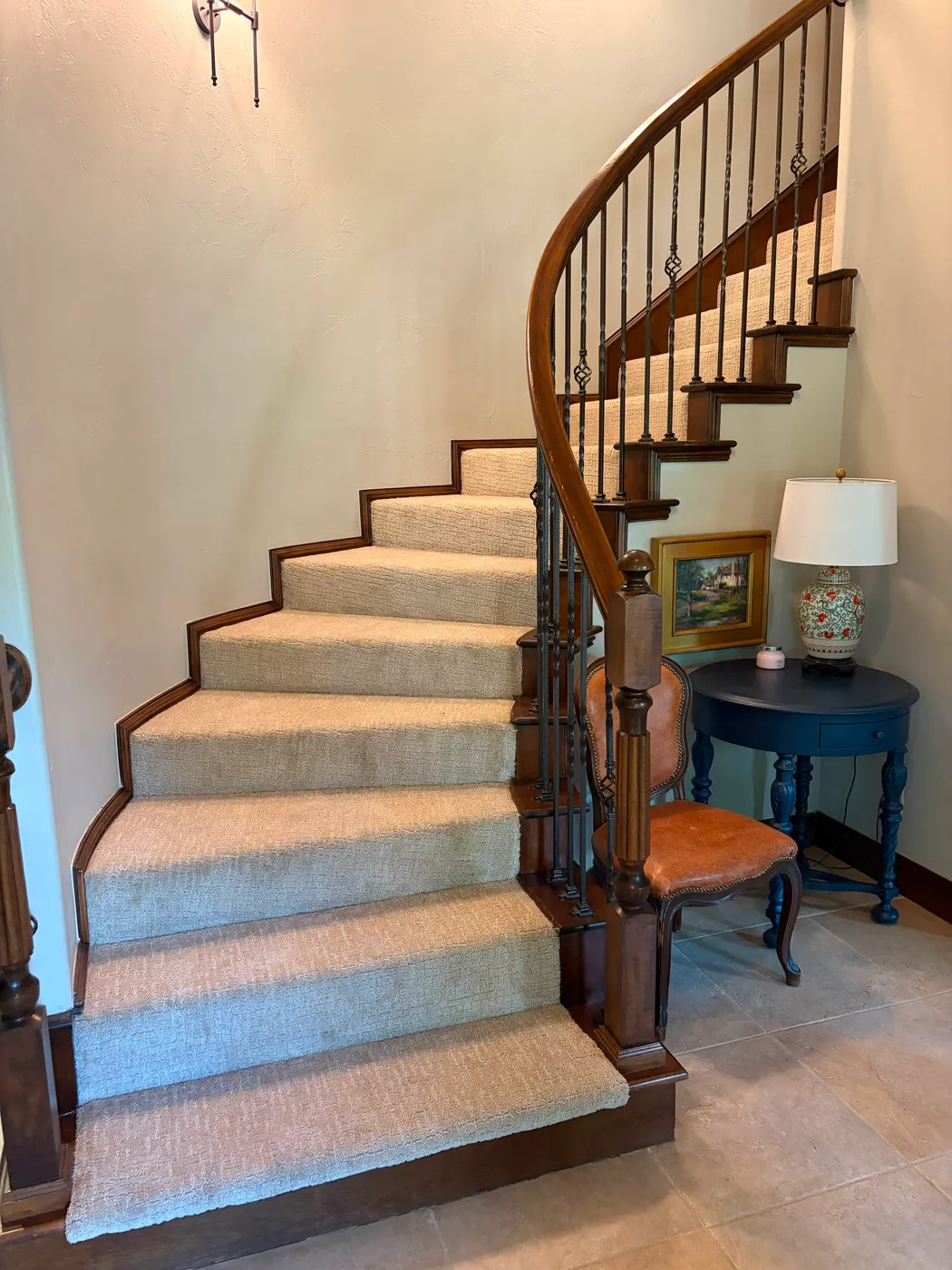
Carpet and pad are the most vulnerable. Pad soaks and holds water, and in a contaminated flood it should be replaced rather than dried. Carpet itself is sometimes salvageable from clean-water events if it is dried fast.
Laminate is generally the least recoverable. Its core is wood fibre, and once that swells the planks are finished. Solid hardwood may cup and can occasionally be dried and refinished if caught quickly, which is a genuinely worthwhile conversation before assuming it is a total loss. Tile and waterproof vinyl usually survive the water itself, though what is underneath them may not.
The subfloor is the real question
Homeowners tend to focus on the visible floor, and the important assessment is the layer below it. A wet subfloor that gets covered over is how a water event becomes a mould problem six months later.
That means moisture readings rather than a look and a guess, and it means patience — installing a new floor over a subfloor that has not fully dried will fail, whatever the new floor is made of. Any installer willing to lay a new floor the day after a flood is doing you no favours.
Choosing what goes back down
A replacement is a chance to change the outcome next time. If the room that flooded is a kitchen, laundry, bathroom or basement-adjacent space, waterproof-core luxury vinyl handles a repeat event in a way that laminate and carpet cannot.
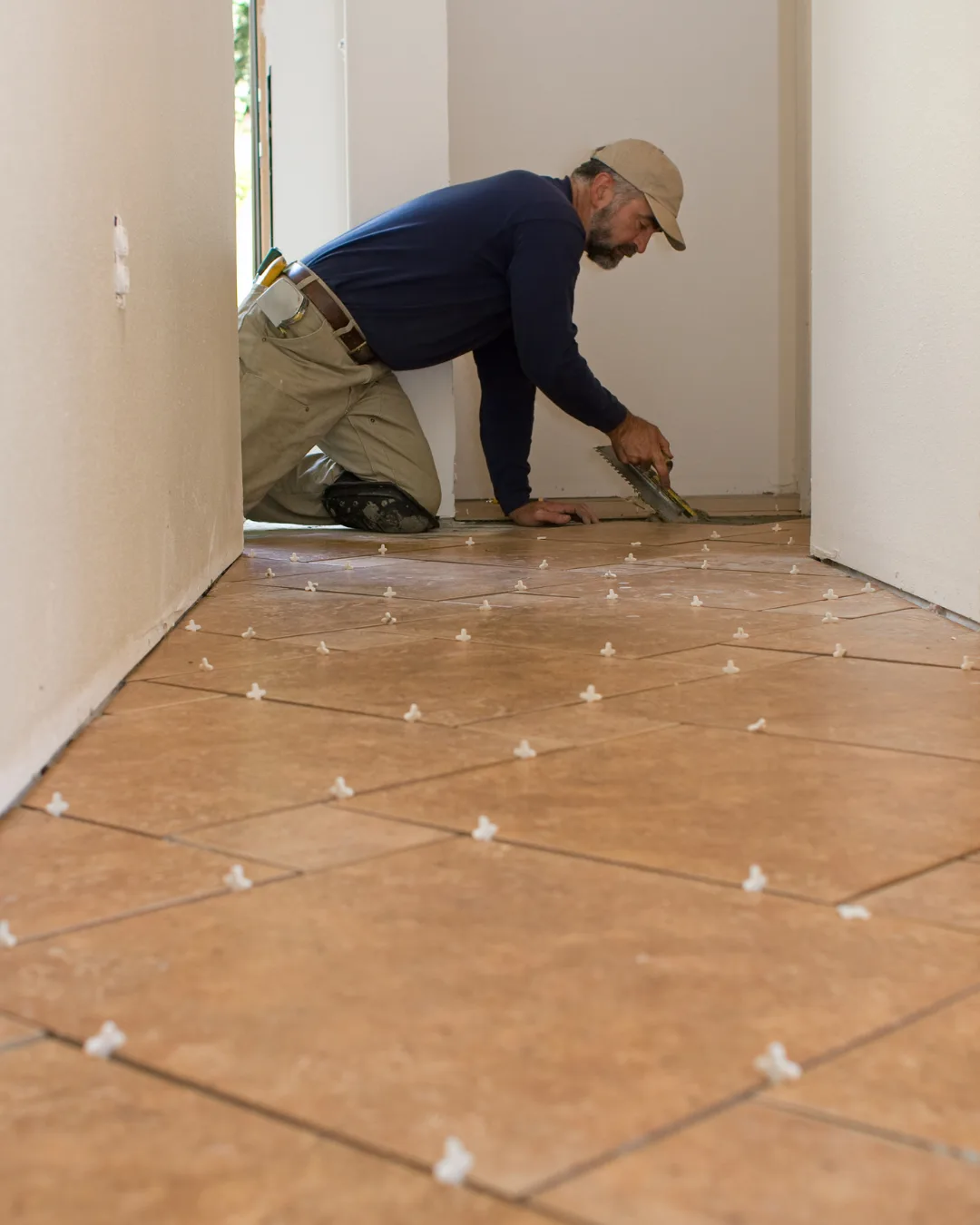
Tile is the other genuinely water-tolerant answer, and in an entryway or utility room it is hard to beat. The trade-off is cost and the substrate preparation it needs — which, after a water event, you are having to do anyway.
- ✓Waterproof-core LVP: the practical default for rooms that have flooded once.
- ✓Tile: excellent water tolerance, higher cost and more substrate preparation.
- ✓Laminate: avoid in any room with a repeat flooding risk.
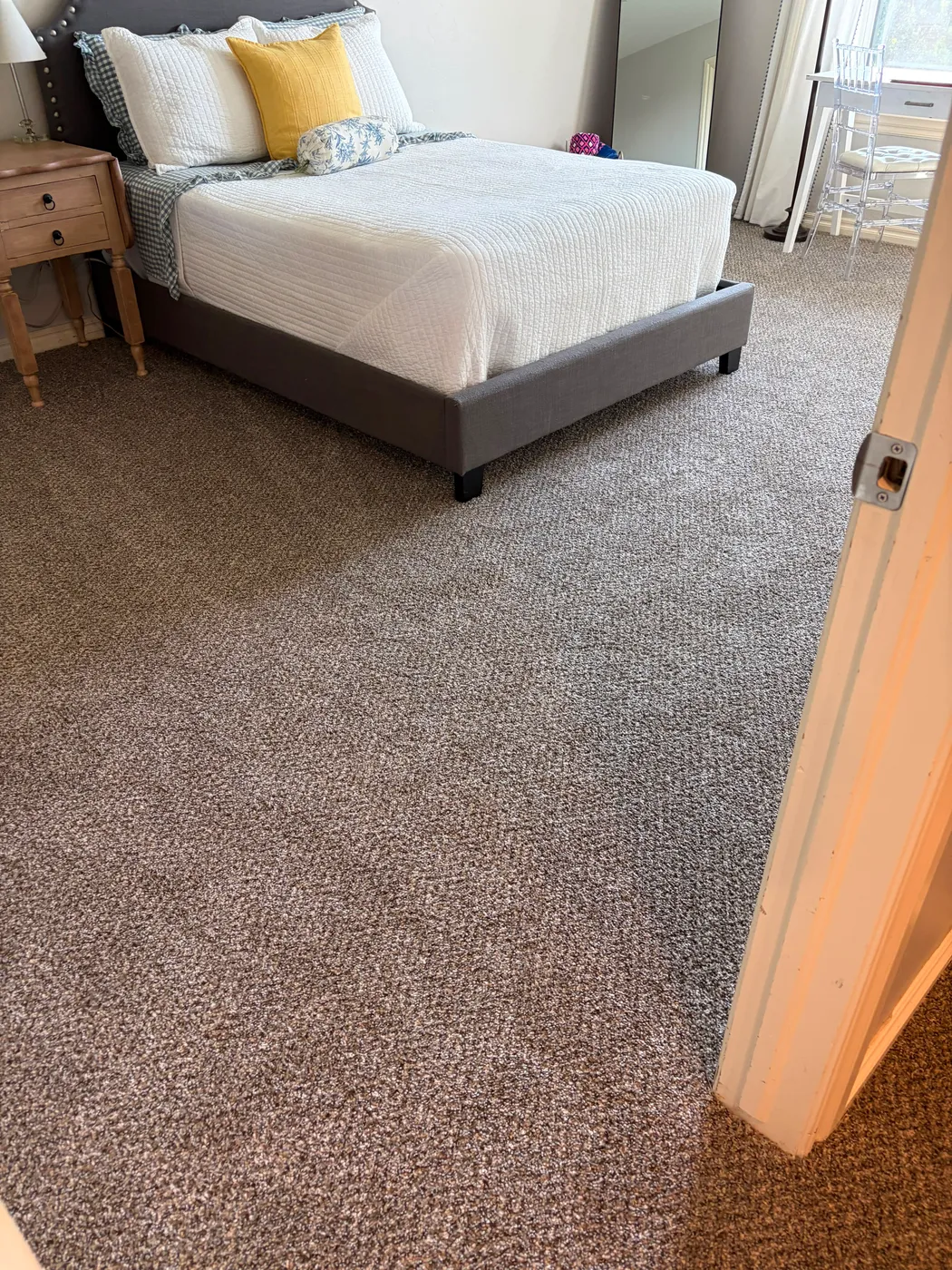
- ✓Carpet: fine in bedrooms, a liability in a space that has already flooded.
Working with your insurer
Get the documentation done before cleanup, keep every receipt including for drying equipment, and ask your adjuster what they need in writing rather than assuming. Where a claim covers replacement, it is usually written against the floor you had rather than the floor you would like, so if you are upgrading, expect to cover the difference.
We are happy to provide a written, itemised scope for a claim. An adjuster can work with a document that separates removal, subfloor remediation and new material far more easily than with a single number.