Luxury Vinyl Plank in OKC: How to Compare Products Properly
· 7 min read · By Floors To You OKC
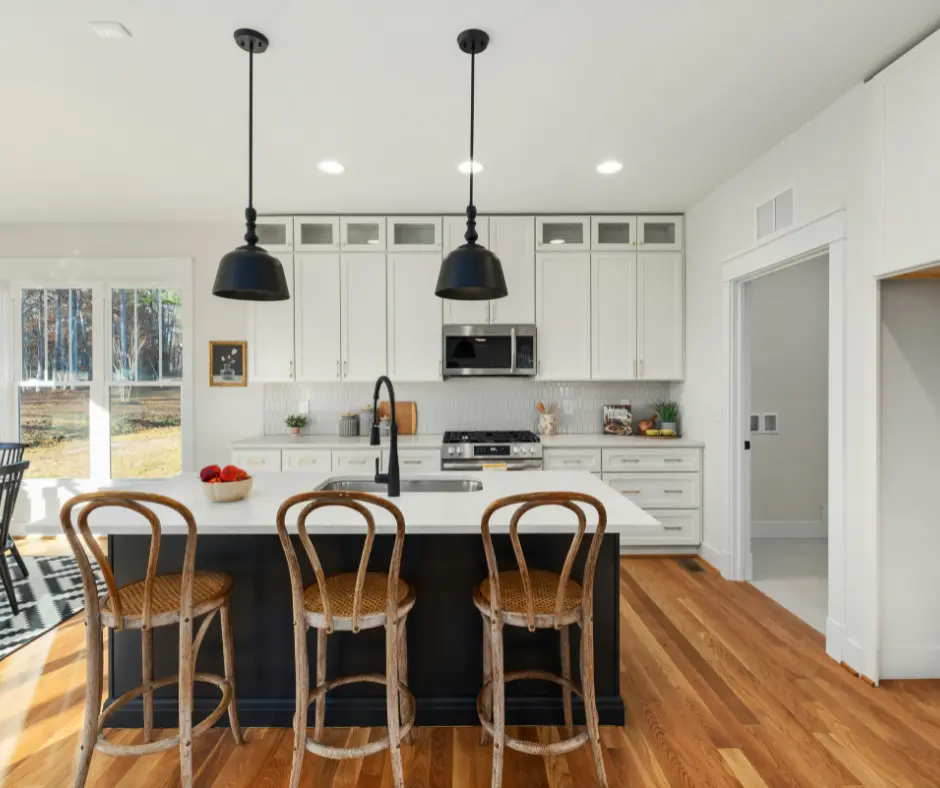
Luxury vinyl plank has taken over the flooring market, and for good reason — it handles water, it looks convincing, and it installs fast. But the gap between entry-level LVP and quality LVP is bigger than in almost any other flooring category, and the two can look nearly identical in a showroom. Here is how to tell them apart.
Wear layer is the number that matters
If you remember one thing from this article, make it this one.
The wear layer is the clear protective coating over the printed design layer. It is the only thing standing between your floor and every chair leg, dog nail, and piece of grit tracked in from the driveway. Thicker wear layer means longer before the floor starts looking tired.
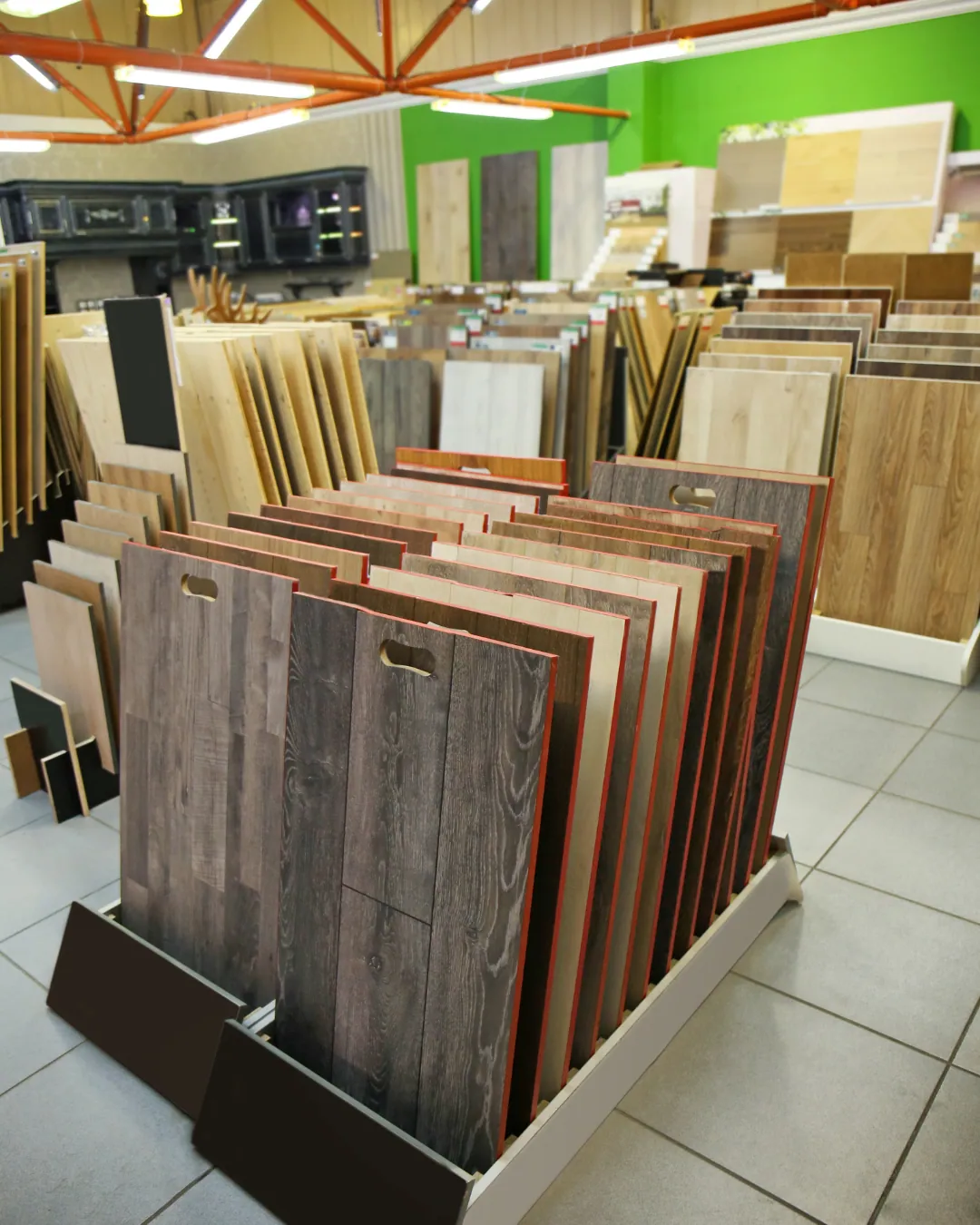
This matters more than brand, more than price, and far more than how the sample looks under showroom lighting. Two planks that appear identical on a display rack can have very different wear layers, and they will not age the same way. A thin wear layer in a house with kids and dogs will scuff and dull within a few years. A thick one in the same house still looks good long after.
When you compare products, ask for the wear layer thickness in mils. If nobody can tell you, that is information too.
Rigid core vs. flexible
Older vinyl was flexible, which meant it conformed to whatever was underneath and telegraphed every imperfection in the subfloor. Rigid core changed that.
Rigid-core planks are stiffer, bridge minor subfloor irregularities, feel more substantial underfoot, and are quieter to walk on. They are also more dimensionally stable, which matters in Oklahoma where interior temperature swings are significant — a floor that expands and contracts less is a floor with fewer seam problems.
Rigid core is not permission to skip subfloor prep. It bridges small variation; it does not fix real dips and humps.
What makes LVP look real or look fake
Print quality has improved enormously, but it varies a lot by product, and there are specific things to look for.
- ✓Pattern repeat. Cheap LVP uses only a handful of unique plank images, so the same "board" shows up over and over across a floor and your eye picks it up immediately. Better product uses many more.
- ✓Embossed-in-register texture, where the surface texture lines up with the printed grain, so a knot you can see is also a knot you can feel. This is the single biggest tell between convincing and obviously printed.
- ✓Beveled edges, which create a shadow line between planks and read as individual boards rather than a printed sheet.
- ✓Plank width and length. Longer, wider planks look more like real wood and make rooms feel larger. Short narrow planks read as vinyl.
Click-lock or glue-down?
Both are legitimate, and the right answer depends on the room.
Click-lock floats over the subfloor with planks locking to each other. It installs faster, needs no adhesive cure time, tolerates minor subfloor imperfection better, and individual planks can be lifted and replaced. It is the default for most residential rooms. See our click-lock LVP page for details.
Glue-down bonds directly to the subfloor. It feels completely solid with no hollow sound, handles very large open areas without expansion concerns, and stands up better to rolling loads and heavy furniture. It is the stronger choice for commercial spaces and for large open floor plans where a floating floor would need transitions.
Where LVP belongs, and where it does not
Being straight about the limits is more useful than selling it as universal.
- ✓Excellent: kitchens, entries, mudrooms, laundry, bathrooms, basements, slab-on-grade rooms, and anywhere pets spend real time.
- ✓Very good: living rooms, hallways, family rooms, bedrooms, and rental properties where durability and easy replacement matter.
- ✓Worth reconsidering: rooms with intense, sustained direct sun through large glass, since prolonged heat and UV can affect some products. And formal spaces where you specifically want the character and resale story of real wood.
- ✓Not suitable: shower floors and surrounds. That is tile with a membrane.
What LVP cannot do
It cannot be refinished. When a vinyl floor wears out it gets replaced rather than sanded and renewed, where a real hardwood floor can be brought back several times across its life. That is the genuine trade-off against wood, and it is worth weighing honestly if you are choosing between the two.
Our hardwood vs. luxury vinyl comparison goes through that decision in detail.