How to Clean and Care for Carpet So It Lasts
· 7 min read · By Floors To You OKC
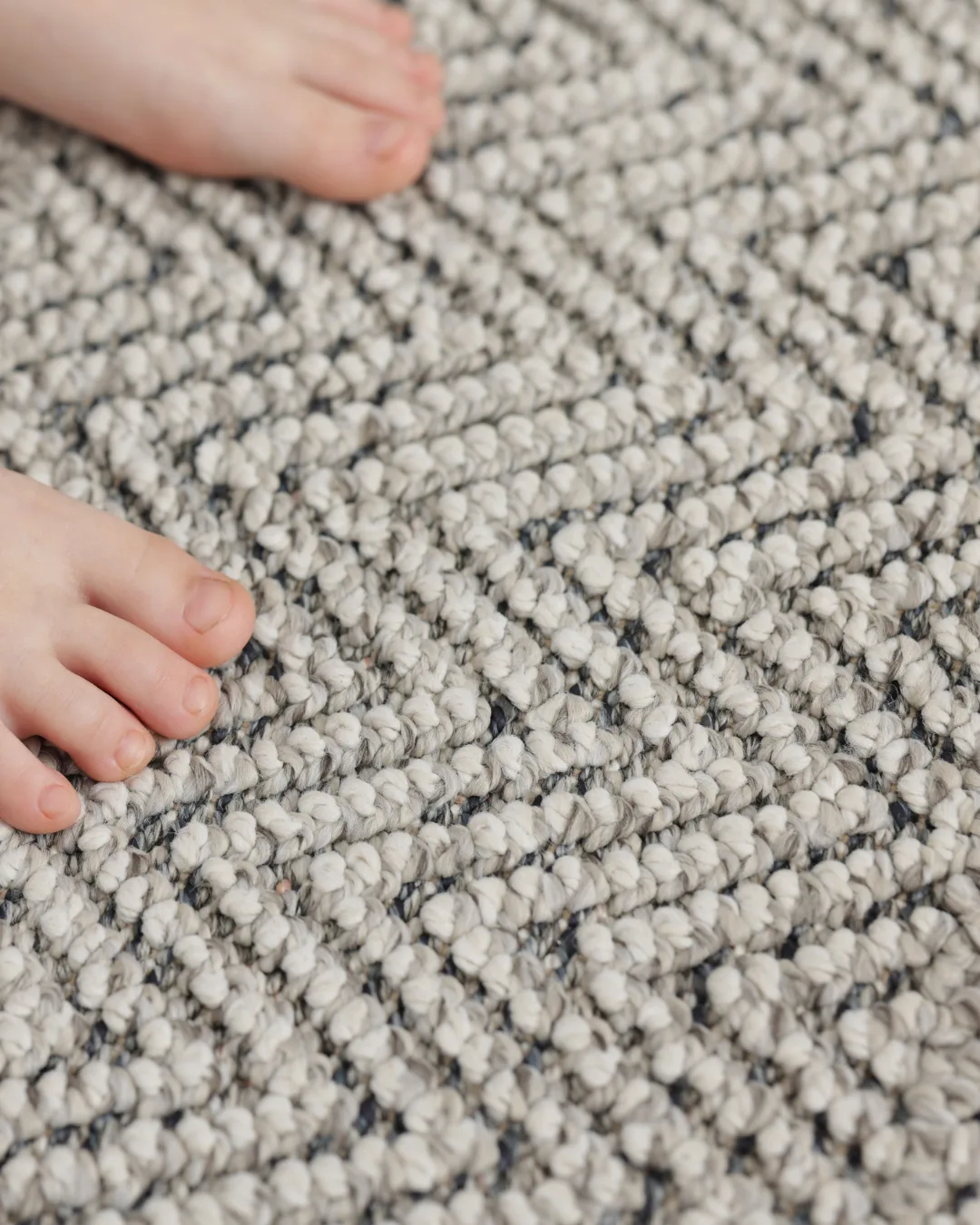
Carpet rarely fails because the fibers wear through. It gets replaced because the traffic lanes have gone gray and flat, a stain keeps coming back, or the room smells like the dog. Nearly all of that is preventable. Carpet that is vacuumed properly, cleaned up after the right way and professionally cleaned on schedule can look close to new for many years longer than carpet that is not. Here is the routine we give homeowners after every carpet install.
Why carpet "uglies out" before it wears out
Dirt that works down into carpet is not just a looks problem. Fine grit sits at the base of the fibers, and every footstep grinds it against them. Over time that scratches the fibers so they reflect light differently, which is why a traffic lane looks dull and gray even after it has been cleaned. The pile also gets crushed in the same paths, day after day, and stops springing back.
So the goal of carpet care is simple: get the grit out before it does that damage, and deal with spills before they set. In Oklahoma City, where fine red dirt blows in on every windy day and rides in on shoes and paws, that matters more than it does in most places.
Vacuuming: how often and how
Vacuuming is the single most important thing you do for a carpet. Traffic lanes, entries and the rooms the family actually lives in should be vacuumed at least twice a week, and more often with pets. Bedrooms and lightly used rooms can get by with once a week.
How you vacuum matters as much as how often. Slow, overlapping passes pull out far more soil than a quick run across the room, and going over the busiest areas in two directions lifts the pile as well as cleaning it.
- ✓Set the vacuum height to the carpet, so the brush touches the pile without digging in
- ✓On Berber and other loop carpets, use a vacuum or setting your carpet maker approves, since an aggressive brush roll can fuzz or snag the loops
- ✓Empty the bin or change the bag before it is full, because suction drops off sharply as it fills
- ✓Clean or replace the filter on schedule, especially in a house with pets
- ✓Put a good mat inside and outside every exterior door; dirt stopped at the door never reaches the carpet
Spills and stains: blot, do not scrub
Treat a spill as fast as you can. The longer it sits, the more likely it is to become a permanent stain. Blot up as much as possible with a clean white cloth or paper towels, working from the outside of the spot toward the center so it does not spread. Never rub or scrub, which untwists the fibers and leaves a fuzzy, permanent patch even if the stain comes out.
For most spills, cool water blotted in and blotted out is enough. If you need a cleaner, use one your carpet manufacturer approves, or one carrying the Carpet and Rug Institute's Seal of Approval, and test it first in a closet. Then rinse with a little plain water and blot until the spot is nearly dry.
- ✓Do not use bleach, which removes the dye along with the stain
- ✓Go easy on soap: leftover detergent is sticky and makes the spot attract dirt and turn gray again
- ✓Do not soak the spot; over-wetting drives the spill into the backing and pad
- ✓Lay a stack of paper towels on the damp spot under something heavy to pull the last moisture out
Pet accidents are a different job
With pet urine, what you see is only part of the problem. Blot up everything you can, then use an enzyme cleaner made for pet urine, following the label. Enzyme cleaners break down the compounds that cause the odor, and they are what keeps a pet coming back to the same spot.
If urine has soaked through to the pad, surface cleaning will not reach it, and the smell will return every time an Oklahoma summer brings the humidity up. That is why we recommend a moisture barrier pad in pet households: it keeps accidents in the carpet, where they can be cleaned. Our carpet pad guide explains how it works, and the pet-rated SmartStrand, PetProof and LifeProof lines we stock carry lifetime pet stain and odor warranties.
Professional cleaning, and why it protects your warranty
Even with good vacuuming, oily soil builds up in carpet over time. A professional hot water extraction cleaning every 12 to 18 months removes what a vacuum cannot, and many carpet warranties actually require regular professional cleaning to stay valid. Read your warranty, follow its schedule, and keep the receipts in the same folder as your flooring paperwork.
Hire a cleaner who extracts the water properly, not one who leaves the carpet soaking. Over-wet carpet can shrink, separate at the seams, or leave a musty smell. Ask how long drying takes, and help it along with the air conditioning or fans, which matters most during humid Oklahoma summers.
Furniture, sunlight and snags
Move furniture a few inches now and then so the same spots are not crushed for years, and put furniture cups under heavy pieces to spread the load. Lift furniture when you move it rather than dragging it, which can pull the carpet loose from the tack strip.
Strong afternoon sun can fade carpet over time, so close blinds or curtains in the brightest hours in south and west facing rooms. And if a loop snags, especially on Berber, trim it level with sharp scissors. Never pull it, because a pulled loop can run down the row like a thread in a sweater.
When care is no longer enough
Good care buys years, not forever. Ripples usually mean the carpet needs restretching, not replacing. Matted traffic lanes that no longer lift, stains that come back after professional cleaning, and odor that returns within days usually mean the carpet, or the pad under it, is finished. Our guide to when to replace carpet walks through how to tell the difference.
If it is time, we bring carpet and pad samples to your home, measure, and give you an itemized installed price, with next-day installation on in-stock carpet. Book a free in-home estimate or see our carpet options.