Oklahoma Clay Soil and What It Does to Your Floors
· 7 min read · By Floors To You OKC
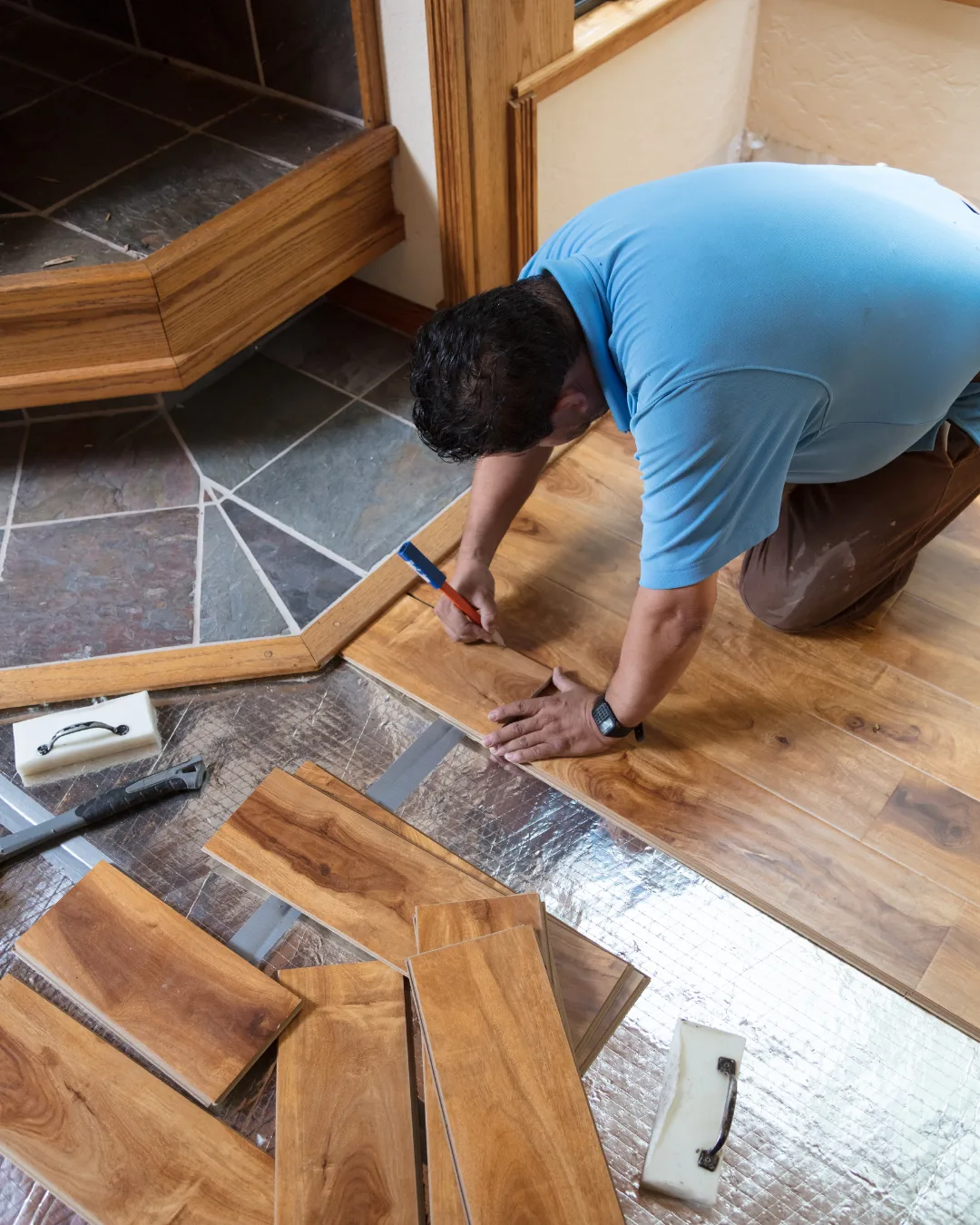
If you have lived in the Oklahoma City area for a few years you have probably seen a door that sticks in one season and swings free in another, or a hairline crack that opens and closes. That is the ground moving. Central Oklahoma has a lot of expansive clay soil, and expansive clay swells when it takes on water and shrinks when it dries out. Your floor sits on top of all that, and which floor you choose changes how much you notice.
Why the ground moves here
Expansive clay behaves almost like a sponge. Through a wet spring it takes on water and swells; through a hot, dry Oklahoma summer it gives that water up and contracts. The movement is not uniform across a lot either — the soil under the middle of a slab stays more stable than the soil at the perimeter, which dries faster.
The result is small, seasonal, uneven movement in the structure. It is normal, it happens to well-built houses, and it is not usually a structural emergency. But it is real, and a floor spanning it has to cope.
How that reaches the floor
The usual symptoms are a floor that develops a gentle dip or hump, gaps opening at seams over a season, and grout lines cracking in a consistent line rather than randomly.
Rigid materials telegraph movement most. Tile and stone are inflexible by nature, so when the substrate under them flexes, something has to give — and it gives at the grout line or the tile itself. That does not make tile a bad choice here, but it does make what is under the tile more important than the tile.
Which floors cope best
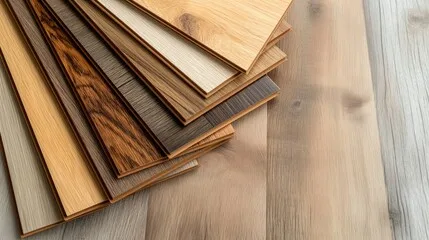
Click-together luxury vinyl plank is the most forgiving option we install for this. Because it floats rather than being glued or nailed down, it can accommodate small amounts of substrate movement without transmitting it into visible damage. That flexibility is a real advantage in this soil.
Glue-down vinyl bonds to the slab, which is excellent for stability and heavy traffic but means it follows the slab exactly. Tile and stone need a genuinely sound, flat substrate and appropriate movement joints. Solid hardwood is the least forgiving of moisture-driven movement, which is why engineered hardwood is usually the better wood option here.
- ✓Floating LVP: most tolerant of small substrate movement.
- ✓Engineered wood: real wood surface, far more dimensionally stable than solid.
- ✓Glue-down vinyl: very stable, but follows whatever the slab does.
- ✓Tile and stone: excellent floors, but only over a properly prepared substrate.
What you can control
Most of what makes clay movement worse is water management around the house. Guttering that discharges next to the foundation soaks the perimeter soil; a summer where the perimeter dries out completely while the middle stays damp maximises the differential. Consistent moisture around a foundation is better than alternating extremes.
The other thing you control is substrate preparation before installation. A slab that is measured, and levelled where it needs it, gives every one of these materials its best chance. Skipping that step is the most common reason a new floor looks wrong within a year.