Sunroom Flooring in Oklahoma City: Sun, Heat and Temperature Swings
· 6 min read · By Floors To You OKC

A sunroom is the brightest room in the house, and the reason you built it or bought the house for it is the same thing that makes it hard on a floor. Oklahoma summers put hours of direct sun through the glass, and many sunrooms and enclosed patios are not heated and cooled like the rest of the house. Here is what that means for each type of floor and how to choose one that will last.
What makes a sunroom different
Three things set a sunroom apart from the rest of the house. The first is sunlight. Ultraviolet light fades most finishes, fibers and printed designs over time, and a sunroom gets far more of it than a living room with a couple of windows. The second is heat. Sun on a floor through glass can make the surface much hotter than the air in the room. The third is temperature and humidity swings. A sunroom that is closed off in winter and baking in July puts a floor through a much wider range than the rest of the house.
The most important question at the estimate is whether the room is heated and cooled with the rest of the house. A fully conditioned sunroom can take most floors. A three-season room or enclosed patio that is not conditioned narrows the list.
Tile: the classic sunroom floor
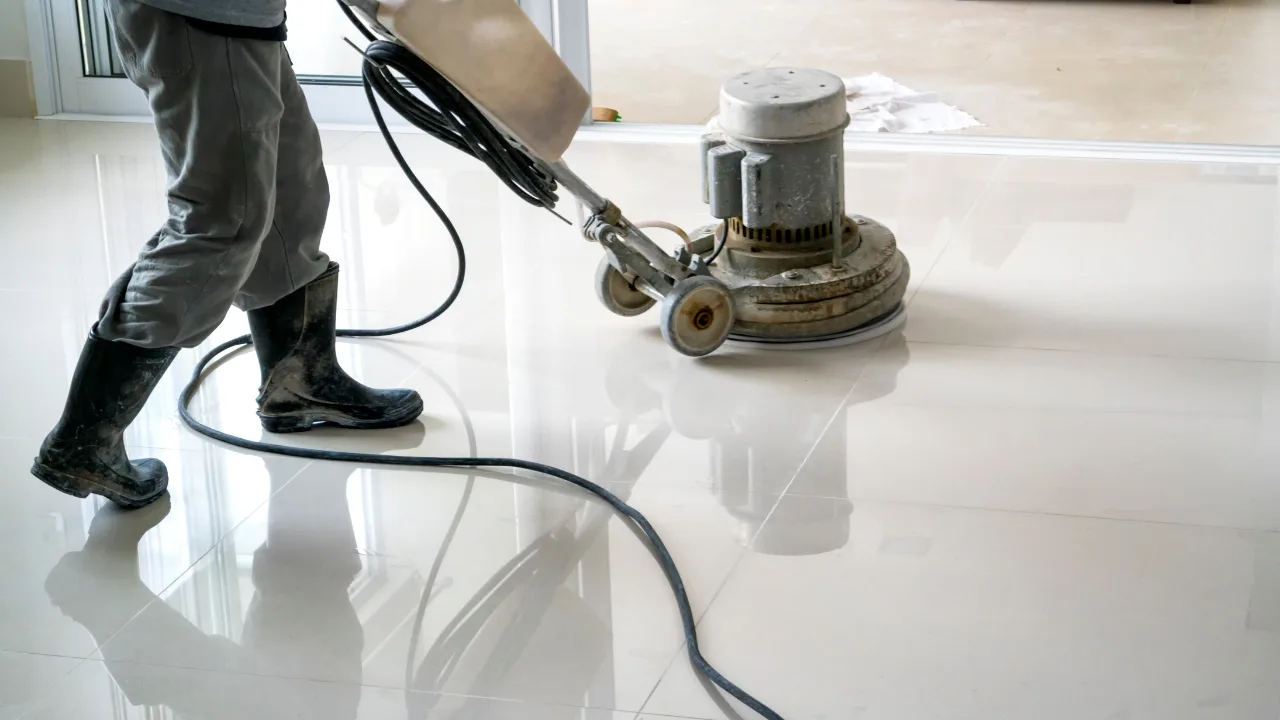
Porcelain tile is the safest floor for a sunroom. It does not fade in sunlight, it does not mind heat, it is waterproof, and it is not bothered by temperature swings the way wood and some vinyl can be. It also stays cool underfoot in summer, which many people like in a sunny room. Wood-look porcelain planks give you the look of wood without the worries.
The trade-offs are that tile is hard and cold in winter, and it takes longer to install than a floating floor because the subfloor has to be flat and the grout has to cure. Our tile installation guide walks through the process.
Luxury vinyl: read the maker's heat and sun guidance
Luxury vinyl plank is waterproof, warmer and softer than tile, and quick to install, which makes it popular for sunrooms. But vinyl expands with heat, and a floor in direct sun can get much hotter than the room. Floating floors need room to move, and a long run of planks in strong sun can push against walls or trim if that movement is not planned for.
Before choosing vinyl for a sunroom, check the maker's guidance on direct sunlight and on whether the room has to be climate-controlled. Some products are rated for sunrooms and some are not. Glue-down luxury vinyl is held to the subfloor and does not float, which is why it is often the vinyl choice for rooms with a lot of sun. We will tell you which products in our lines are suited to your room.
Engineered wood and laminate
Engineered wood handles Oklahoma's humidity changes better than solid hardwood, and it can work in a sunroom that is heated and cooled with the house. It will change color in strong sun over time, as all real wood does, so expect the exposed areas to look different from the areas under rugs and furniture. Our guide to engineered wood flooring covers how it is built.
Laminate resists fading well and is fine in a conditioned sunroom. Its wood-based core does not like moisture, so it is not a good choice for an unconditioned room where condensation can form on cold mornings, or for a room with plants that get watered on the floor.
Carpet
Carpet is soft and warm, but in a sunroom it fades unevenly, and any spill from plants or a door left open to the rain stays in the fibers. If you want something soft underfoot, a hard floor with an area rug you can move or replace is usually the better plan in a sunny room.
Converted patios and slab sunrooms
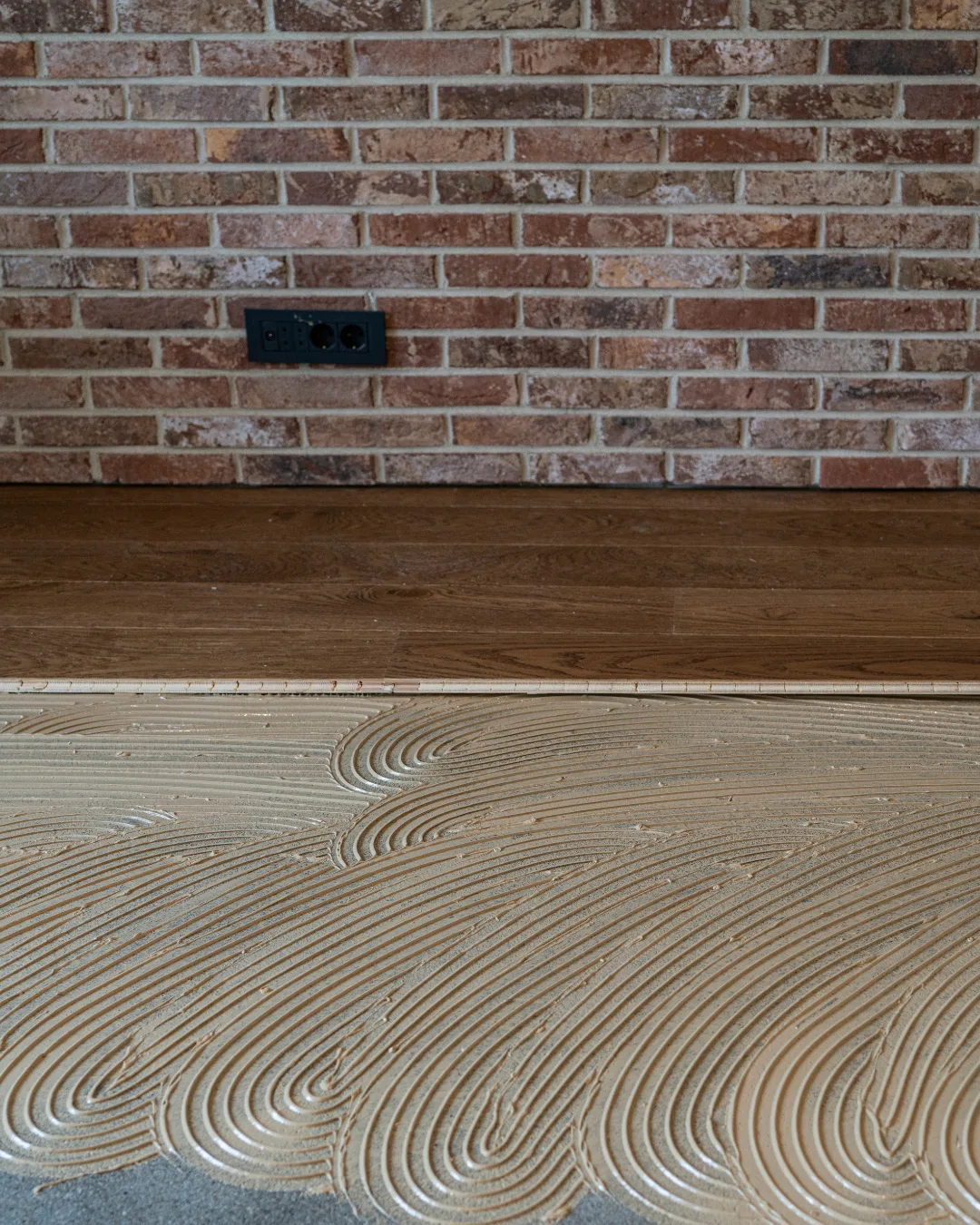
Many OKC sunrooms are built on a slab, and enclosed patios are often an old outdoor slab with walls and windows added. An outdoor patio is usually poured with a slope so rain runs off, and that slope does not go away when the room is enclosed. Most floors need a flat subfloor, so a converted patio may need leveling before anything goes down.
A slab that was outdoors can also carry more moisture than an indoor one. We take a moisture reading on the slab before we recommend a floor, and use a vapor barrier where the reading calls for it. Our post on subfloor prep explains why this step matters so much.
Helping any floor last in a sunroom
A few habits help whichever floor you choose.
- ✓Use blinds, shades or UV-filtering window film to cut down on direct sun during the hottest part of the day
- ✓Move rugs and furniture now and then so the floor fades evenly
- ✓Keep the room heated and cooled if the floor maker requires it
- ✓Put trays under plant pots and wipe up water right away
- ✓Follow the floor maker's care guidance for which cleaners, mats and rug pads are safe for the product
Choosing with the room in front of you
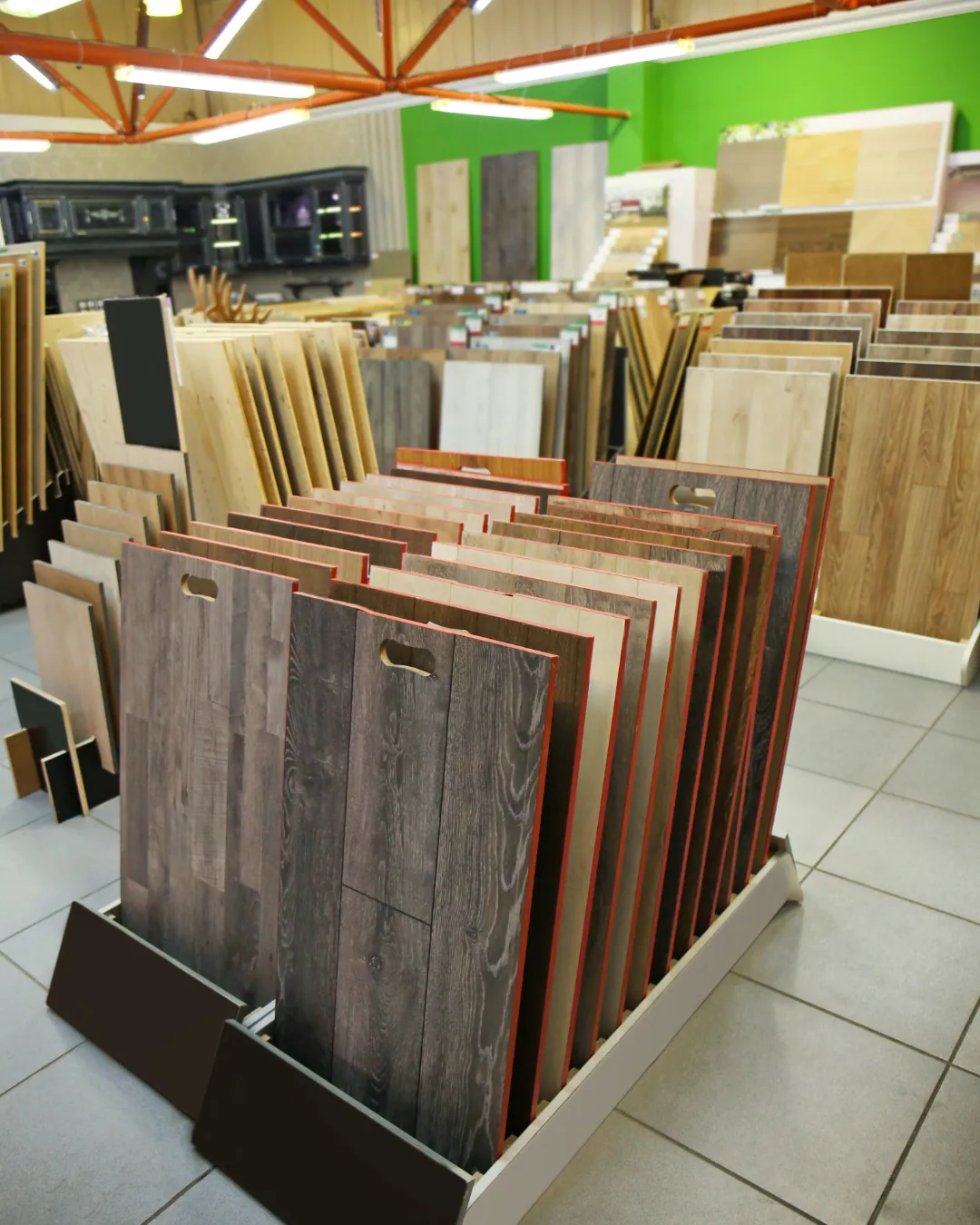
Sunroom samples are worth seeing in the room itself, because the light in a sunroom makes colors look very different from how they look in a store. Book a free in-home estimate and we will bring tile, vinyl and wood-look samples to your sunroom, check the slab for level and moisture, and give you an itemized quote. Our crew moves the furniture out and back.