Bathroom Flooring in OKC: Wet Rooms Need Different Rules
· 6 min read · By Floors To You OKC
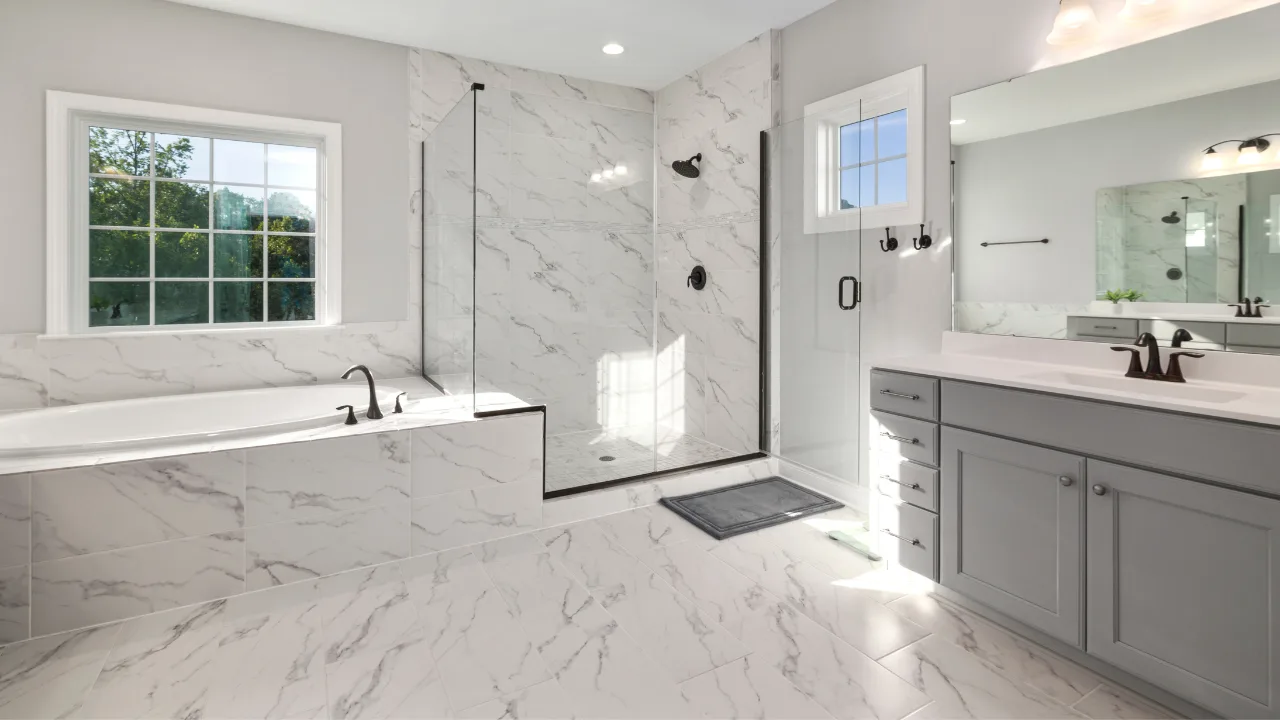
Bathrooms are the least forgiving room in the house for flooring. Water is constant rather than accidental, humidity is high, and the consequences of a bad choice are structural rather than cosmetic. The good news is that the right answers are clear, and there are only a few of them.
The shower is not a flooring decision
Worth stating first because it comes up constantly: shower floors and surrounds are tile installed over a waterproofing membrane. That is a wet-area assembly, not a flooring choice, and no plank product belongs there regardless of what its label says about being waterproof.
Floating floors have seams between planks and an expansion gap around the perimeter. In a continuously wet installation, water goes through both. The rest of this article is about the bathroom floor outside the shower.
Tile: the traditional answer, still valid
Porcelain tile is the default bathroom floor for good reason. It is genuinely unaffected by water, it lasts indefinitely, and it handles the humidity a bathroom generates without complaint.
Two things to plan for. First, tile is cold, and in a room where you are barefoot that is the complaint people actually voice. Radiant floor heating underneath solves it completely and pairs better with tile than with any other material — if you are renovating down to the subfloor anyway, it is the moment to consider it.
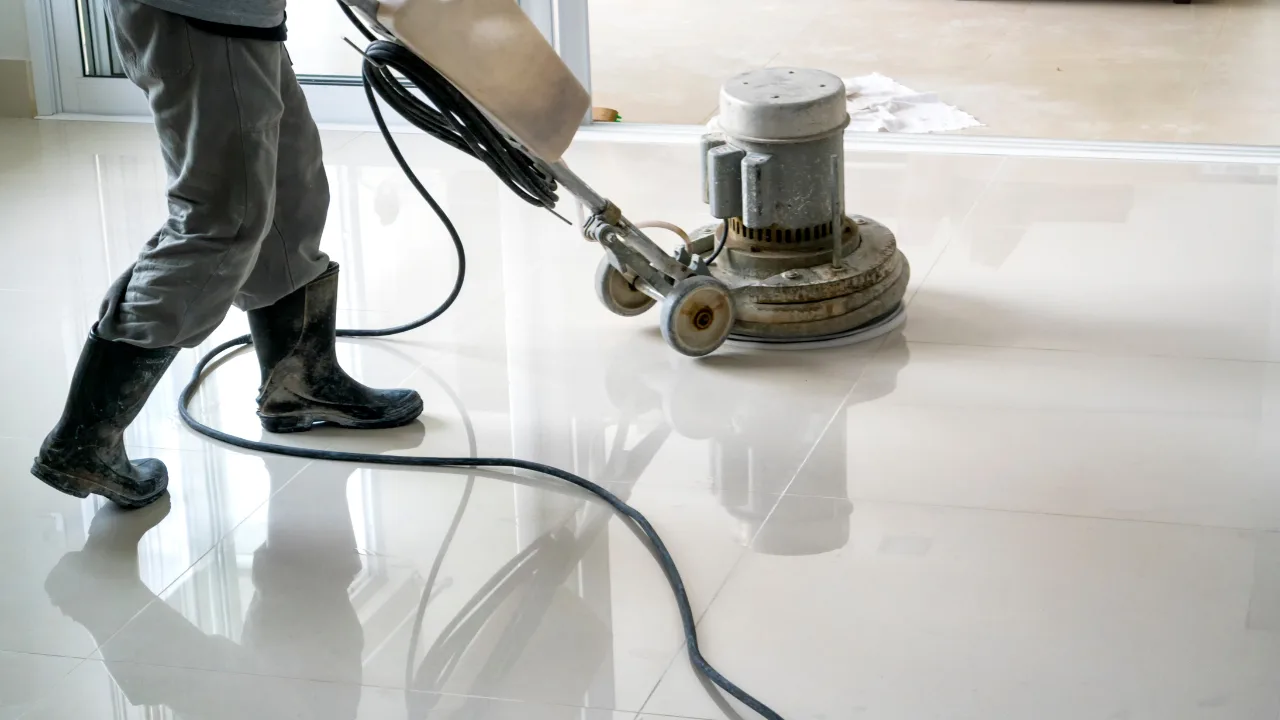
Second, slip resistance matters here more than anywhere. A polished tile that looks stunning dry can be genuinely hazardous with wet feet on it. Textured surfaces and smaller formats with more grout lines both give better grip.
Luxury vinyl: warmer, softer, very capable
Waterproof-core vinyl has become a common bathroom floor and it performs well. The material is unaffected by water, it is warmer underfoot than tile because it does not conduct heat away from your feet, and it is more comfortable to stand on at a sink.
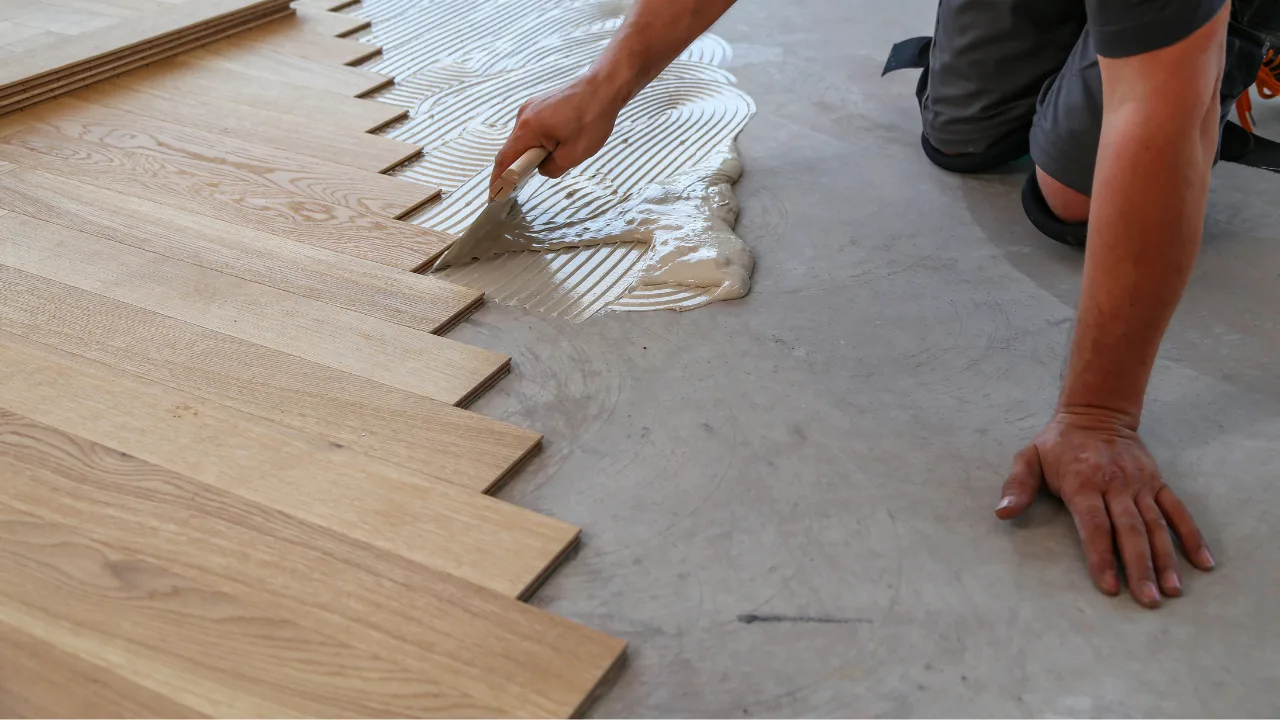
It is also considerably faster and less expensive to install than tile, which matters in a renovation where the room is out of service.
The caveat is the same one that applies to all floating floors: water can eventually reach the subfloor through seams and the perimeter gap. In a bathroom, sealing that perimeter gap at installation is worth doing, and it is a detail that separates a careful install from a quick one.
Luxury vinyl tile: the compromise that often wins
LVT deserves specific mention for bathrooms because it addresses the exact complaint people have about tile.
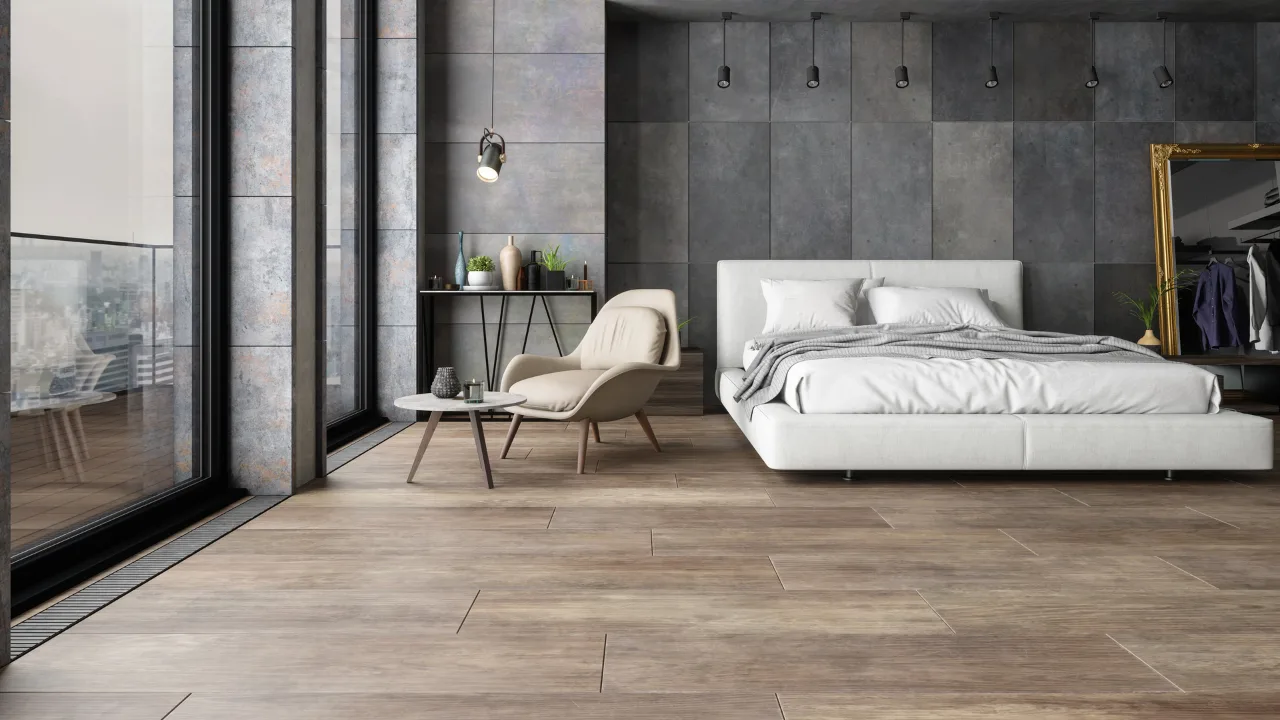
It gives you a stone or ceramic look with vinyl’s warmth and give underfoot. In a bathroom, where you are barefoot and standing at a sink, that difference is noticeable every single day, particularly on an Oklahoma winter morning.
Most LVT installs without grout too, which removes the maintenance item that makes bathroom tile floors look tired over time.
What does not belong in a bathroom
Short list, and worth being firm about.
- ✓Laminate. The wood-fiber core swells when water sits on it, and a bathroom guarantees water sitting on it eventually. Swelling is not reversible.
- ✓Solid hardwood. Humidity cycling plus standing water is the worst combination for solid wood, and bathrooms deliver both continuously.
- ✓Carpet. Padding holds moisture, nothing underneath gets airflow, and it does not dry properly. It still turns up in older homes and it is worth replacing.
The details that prevent damage
In a bathroom, the installation details matter as much as the material.
- ✓Seal the perimeter expansion gap with the appropriate sealant. This closes the most direct path water takes to the subfloor.
- ✓Pay attention to the toilet flange and the area around it, which is where slow leaks originate more often than anywhere else in the room.
- ✓Run a proper exhaust fan. Bathroom humidity that has nowhere to go affects everything in the room, and a fan that actually vents outside is worth more than most flooring upgrades.
- ✓Deal with any water event quickly. Even with waterproof flooring, water that has gotten underneath needs to come out, and lifting a few planks early is a far smaller job than replacing a subfloor later.